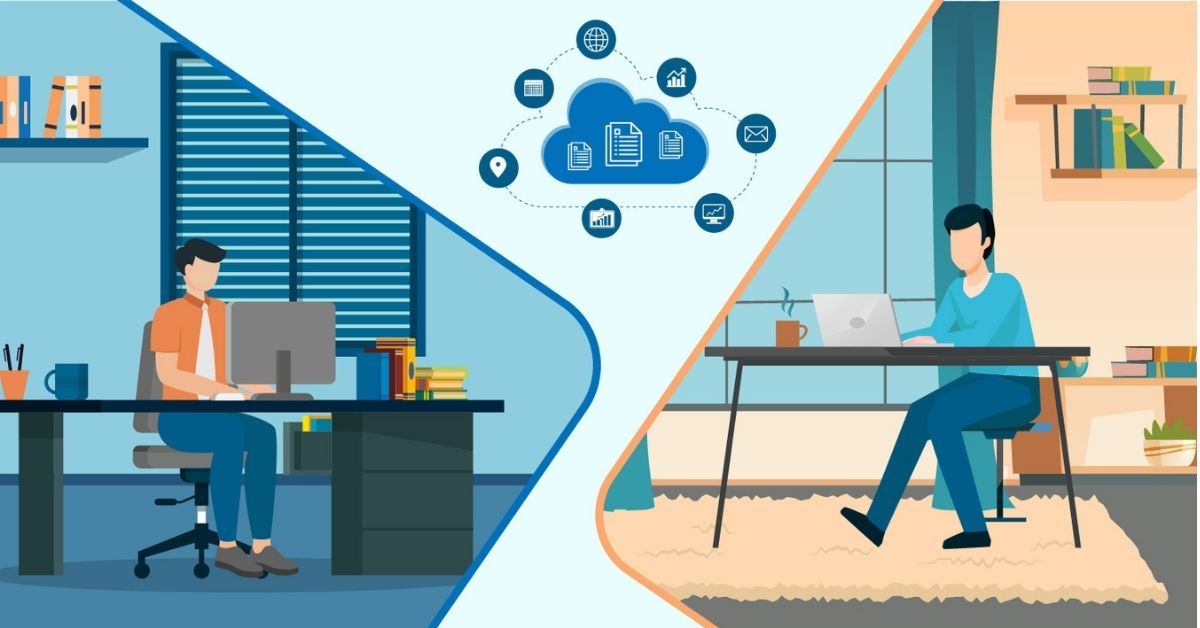
The workplace has undergone a major transformation in recent years. As organizations adapted to remote work, many discovered that employees valued flexibility and autonomy. As a result, hybrid work models—where employees split their time between working remotely and working in the office—have become one of the most common workplace structures.
Hybrid work offers the best of both worlds. Employees gain flexibility and improved work-life balance, while organizations maintain opportunities for in-person collaboration. However, hybrid work also introduces unique challenges. When some employees are in the office while others work remotely, it can create communication gaps, feelings of inequality, and weaker team connections.
For leaders, building a strong hybrid work culture requires intentional effort. Teams must feel connected, included, and aligned regardless of where they work. Without clear strategies, hybrid workplaces can easily become fragmented.
This article explores the challenges of hybrid work culture and outlines effective strategies leaders can use to keep teams connected and engaged.
Understanding the Challenges of Hybrid Work
Hybrid work environments combine two very different experiences: remote work and in-office work. While both offer advantages, the combination can create new obstacles that organizations must address.
One of the most common challenges is communication imbalance. Employees working in the office often have access to spontaneous conversations and quick problem-solving discussions that remote employees miss. These informal interactions can create information gaps.
Another challenge is visibility. Remote workers sometimes worry that they may be overlooked for promotions, recognition, or opportunities compared to colleagues who are physically present in the office.
Hybrid teams can also struggle with scheduling and collaboration. Meetings may involve participants joining both in person and online, which can make it difficult to ensure equal participation.
To overcome these challenges, organizations must design hybrid cultures intentionally rather than simply allowing them to develop organically.
Establish Clear Communication Practices
Communication is the foundation of any successful team, and it becomes even more critical in hybrid environments.
Leaders should establish clear communication guidelines that ensure everyone has equal access to information. This includes documenting important decisions, sharing meeting notes, and using collaborative tools where updates are visible to all team members.
Asynchronous communication can also play a key role. Instead of relying solely on real-time meetings, teams can share updates through project management platforms, recorded presentations, or written summaries.
These practices ensure that employees working remotely stay informed and involved, even if they are not physically present during discussions.
Design Inclusive Meetings
Hybrid meetings can sometimes unintentionally favor employees who are physically in the room. Side conversations, body language, and informal discussions can exclude remote participants.
To create more inclusive meetings, leaders should adopt a “remote-first” approach. This means structuring meetings so that remote participants have the same experience as those in the office.
For example, everyone might join the meeting through their own device, even if several people are sitting in the same conference room. This ensures that all participants interact through the same platform.
Meeting facilitators should also actively encourage participation from remote attendees by asking for their input and ensuring their voices are heard.
Inclusive meetings help prevent remote employees from feeling disconnected or overlooked.
Build a Shared Team Culture
Culture is often shaped by daily interactions and shared experiences. In hybrid environments, these interactions may occur in different places, which can make it harder to maintain a consistent team culture.
Organizations should focus on creating shared rituals and traditions that include both remote and in-office employees.
Examples include weekly team check-ins, virtual social events, recognition programs, or regular knowledge-sharing sessions.
These activities help create a sense of belonging and reinforce the organization’s values across all work environments.
A strong culture ensures that employees feel connected to the team regardless of where they work.
Prioritize Transparency
Transparency is especially important in hybrid workplaces. When employees work in different locations, it becomes easier for misunderstandings or assumptions to develop.
Leaders should communicate openly about company goals, decisions, and changes. Regular updates from leadership help ensure that all employees feel informed and aligned with the organization’s direction.
Transparency also builds trust. When employees understand how decisions are made and how their work contributes to broader objectives, they feel more engaged and motivated.
Clear and open communication helps prevent the sense of division that can sometimes emerge between remote and in-office workers.
Encourage Intentional Collaboration
In traditional offices, collaboration often happens spontaneously. Employees may brainstorm ideas during hallway conversations or quickly solve problems by walking over to a colleague’s desk.
Hybrid environments require more intentional collaboration strategies.
Leaders can create dedicated time for collaborative work, such as scheduled brainstorming sessions, team workshops, or project planning meetings.
Digital collaboration tools such as shared whiteboards, document editing platforms, and project management systems can also help teams work together seamlessly regardless of location.
By planning collaboration opportunities intentionally, organizations ensure that remote employees remain active participants in team discussions and decisions.
Invest in the Right Technology
Technology plays a central role in making hybrid work successful. Without reliable tools, communication and collaboration can quickly break down.
Organizations should invest in platforms that support video conferencing, file sharing, messaging, and project management. These tools allow employees to communicate efficiently and stay aligned on tasks and goals.
In addition to software, physical office spaces may need to be redesigned to support hybrid meetings. Conference rooms equipped with high-quality microphones, cameras, and screens can improve the experience for remote participants.
The right technology helps create a seamless work environment where location does not limit participation.
Create Opportunities for Social Interaction
One of the biggest risks in hybrid work environments is the loss of informal social connections. These interactions play a vital role in building trust and camaraderie within teams.
Leaders should create opportunities for both virtual and in-person social activities.
Examples include virtual coffee chats, team-building games, shared lunch sessions, or occasional in-person team gatherings.
These activities allow employees to connect beyond work tasks and build stronger personal relationships.
When employees feel comfortable with their colleagues, collaboration becomes more natural and effective.
Support Flexibility and Autonomy
Flexibility is one of the main reasons employees value hybrid work. However, rigid policies can undermine this benefit.
Instead of imposing strict rules about when employees must work in the office, many organizations are adopting flexible hybrid models.
For example, teams may coordinate specific days for in-person collaboration while allowing employees to choose remote days based on their schedules and preferences.
Providing autonomy helps employees maintain work-life balance while still participating in important team activities.
Trusting employees to manage their time effectively strengthens engagement and job satisfaction.
Ensure Fair Opportunities for Everyone
Hybrid work can sometimes create concerns about fairness. Employees who spend more time in the office may appear more visible to leadership, which could influence promotions or recognition.
To address this issue, leaders should focus on performance and results rather than physical presence.
Clear evaluation criteria, structured feedback processes, and transparent promotion policies help ensure that all employees are treated fairly.
Regular one-on-one meetings with remote employees can also help managers stay aware of their achievements and career goals.
Ensuring equal opportunities builds trust and prevents resentment within hybrid teams.
Encourage Leadership Accessibility
Leaders play a crucial role in maintaining team connection. In hybrid environments, they must make themselves accessible to both remote and in-office employees.
Regular check-ins, open office hours, and transparent communication channels help ensure that employees feel supported.
Leaders should also actively seek feedback from team members about their hybrid work experiences. Understanding what is working—and what needs improvement—allows organizations to refine their strategies.
Accessible leadership strengthens trust and reinforces a sense of community within the team.
Continuously Adapt the Hybrid Model
Hybrid work is still evolving, and there is no universal formula for success. Each organization must adapt its approach based on its culture, industry, and employee needs.
Leaders should regularly evaluate their hybrid strategies by gathering feedback, analyzing productivity data, and observing team dynamics.
Small adjustments—such as changing meeting formats, adjusting office schedules, or introducing new collaboration tools—can significantly improve the hybrid experience.
Organizations that remain flexible and responsive are more likely to build sustainable and effective hybrid work cultures.
Hybrid work has become a defining feature of the modern workplace, offering employees flexibility while preserving opportunities for in-person collaboration. However, maintaining strong team connections in hybrid environments requires deliberate planning and thoughtful leadership.
By establishing clear communication practices, designing inclusive meetings, investing in the right technology, and creating opportunities for social interaction, organizations can build hybrid cultures that keep employees connected and engaged.
Leaders who prioritize transparency, fairness, and flexibility create environments where both remote and in-office employees feel valued and included.
Ultimately, the success of hybrid work depends not just on where people work, but on how effectively teams collaborate, communicate, and support one another. With the right strategies in place, hybrid work can strengthen organizations and empower teams to thrive in the future of work.